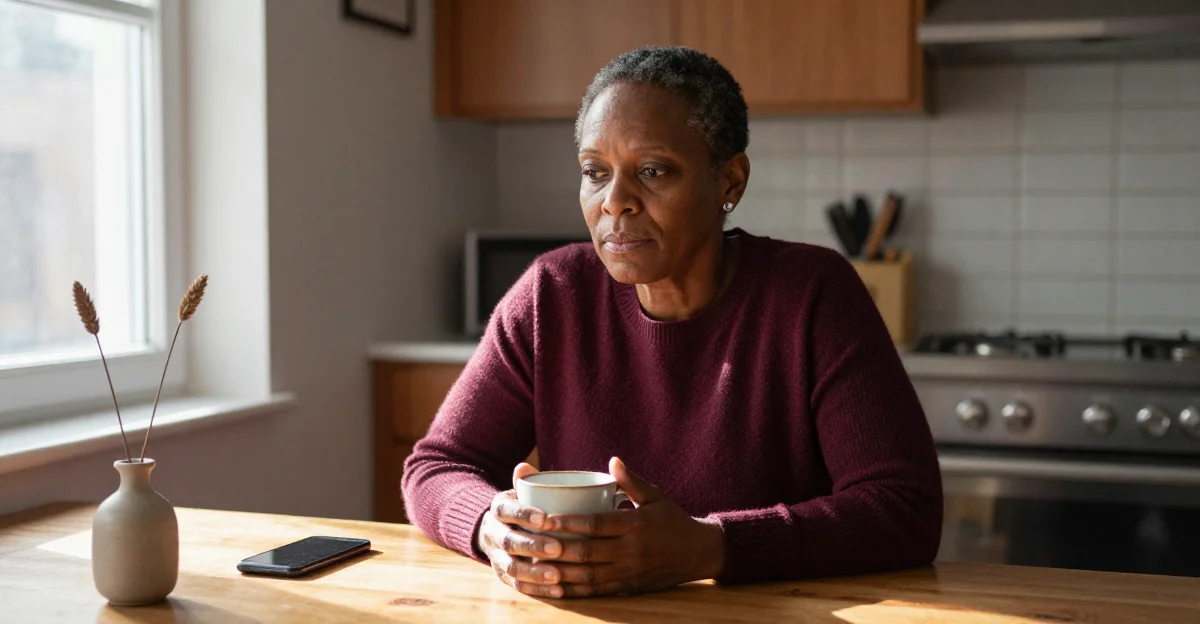
Dating in your 60s is harder than most articles admit — not because you’re doing something wrong, but because the pool is smaller, the platforms are poorly designed for this demographic, and the emotional terrain is genuinely different from anything you’ve navigated before. If you’ve been at it for months with little to show for it, that’s not a personal failure; it’s an accurate reflection of a structurally difficult situation.
The cheerful reassurance — “love has no expiration date!” — isn’t wrong, exactly. It just isn’t useful. What’s useful is knowing what you’re actually dealing with: a gender imbalance that shapes the entire experience for women, a scammer problem that’s far more prevalent than the apps acknowledge, and a form of ghosting that hits differently at 65 than it does at 28.
This guide covers what the other articles skip. If you’re also earlier stage of this, much of this applies there too.
TL;DR
- The structural odds are genuinely stacked against women in this age group — there are significantly more single women than single men, and the gap widens with age.
- Scammers are the single biggest practical threat on dating apps for 60+ users, and they follow a consistent, learnable playbook.
- Ghosting and difficulty finding anyone serious are the most common day-to-day experiences — not exceptions, but the norm for most people in this stage.
Yes, Dating in Your 60s Is Hard — and That’s Not Your Fault
There’s a specific kind of exhaustion that comes with re-entering the dating world after 30 or 40 years in a marriage. It’s not just that dating feels unfamiliar — it’s that your entire sense of yourself as a person in relationship has to be rebuilt from scratch. That disorientation is real, and most dating advice doesn’t touch it. Some people describe it as a crisis of relevance — not just wondering if they’ll find someone, but wondering whether they’re still someone others move toward.
Someone married 35 years described spending an entire year trying — speed dating events, meetup groups, church events, seven different dating apps — and getting zero dates. Not a few disappointing dates. Zero. That’s not bad luck; that’s a structural reality that women in this demographic encounter regularly.
Here’s what most articles quietly avoid saying: there are significantly more single women than single men in this age group. The imbalance widens with age — it’s a consistent reality dating in your 60s and 70s. Men who are available, emotionally present, and not still processing a divorce are a genuinely limited resource. When women describe the frustration of putting in enormous effort with nothing to show for it, this is what they’re navigating — a numbers problem, not a personal one.
The identity piece is separate but equally real. Being 65 and going on a first date for the first time in four decades means you’re not just meeting a stranger — you’re also meeting a version of yourself you haven’t encountered before.
What Are the Odds of Finding Love in Your 60s?
The honest answer: possible, but structurally harder than at younger ages, and it usually takes longer than apps suggest. That’s not pessimism — it’s useful calibration. The people who find it tend to have stopped measuring the process against what dating looked like at 30.
Around 24% of older singles are only looking for casual arrangements — meaning roughly one in four people in the pool is looking for something different from what most 60+ daters want. The pool is already small; understanding its actual composition helps.
Here’s what that composition means practically. Start with a dating pool that’s already thin due to the gender imbalance. Remove the roughly 24% who aren’t looking for what you’re looking for. Factor in the men who are newly separated and still grieving, or who aren’t emotionally available despite being technically single. What’s left is a meaningful but genuinely narrow group.
Knowing this doesn’t make the search discouraging — it makes it navigable. The people who find real connections in this age group aren’t the most optimistic ones; they’re the ones who understood what they were searching through and kept going anyway. Calibrated expectations produce better decisions: more patience, less self-blame, more selective attention to actual compatibility signals.
The Scammer Problem Is Worse Than You Think (Here’s What to Watch For)
Every article mentions fraud in one line and moves on. That’s not enough. Scammers specifically target 60+ dating app users, and the behavioral playbook is consistent enough that you can learn to recognize it quickly.
Our full guide on online dating scams covers this in depth, but here are the patterns worth memorizing before you open any app:
- Love-bombing in early messages — excessive flattery, declarations of connection, and emotional intensity within the first day or two of contact
- Urgency to move off the platform — requests to continue the conversation on WhatsApp, email, or text, usually within the first few exchanges
- Military or offshore professional backstory — oil rig worker, military officer stationed overseas, doctor working with an NGO abroad; these are consistent cover stories because they explain why an in-person meeting is perpetually deferred
- Any request for money — gift cards, wire transfers, cryptocurrency, “emergency” financial help; the framing changes but the ask is always the same
- Persistent refusal to video call — real people can video call; scammers using stolen photos cannot
- Photo inconsistencies — reverse image search any profile photo before you invest time in someone you haven’t met
The list above isn’t random. It follows a deliberate escalation sequence: emotional investment is built first, before any financial request appears. The love-bombing and intense early connection aren’t accidental — they’re the setup.
By the time a money request arrives, the target has often developed genuine feelings, which is exactly what makes the ask harder to refuse. Understanding why the playbook is structured this way — emotional hook first, financial ask second — makes each warning sign easier to identify in the moment.
The reason 60+ users are targeted is specific: they tend to have retirement savings, they’re often more trusting, and many are lonely enough that the emotional investment escalates quickly. Knowing this isn’t cynicism — it’s protection.
Why Apps May Not Be the Answer (And What Actually Works)
Dating apps are the obvious starting point, and they’re not without value. But the honest cost-benefit for 60+ users is worth examining before you spend six months on platforms designed for people in their 30s.
The problems are structural: thinner pools of serious people, scammer saturation, constant ghosting before conversations go anywhere, and profile photos that seem to have been taken a decade ago. This isn’t a reason to avoid apps entirely, but it is a reason not to treat them as the strategy. Our guide to the best dating apps for seniors breaks down which platforms actually perform for this demographic — and that niche, age-specific platforms consistently outperform general-audience apps for 60+ users.
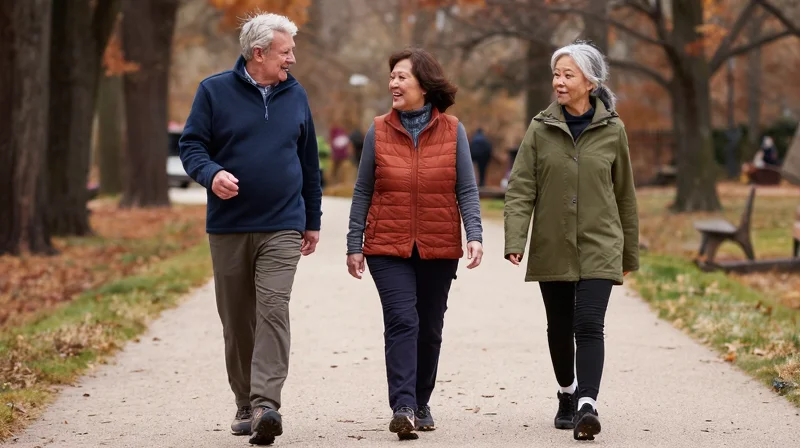
The experiences that people in this age group report most positively aren’t about app optimization — they’re about meeting people through activity. Walks, classes, interest-based groups, travel clubs. One 65-year-old described finding love through a site specifically built for their age group as “the best thing ever.” The pattern in successful stories is almost always: off the main apps, into a more focused context.
Here’s why activity-based contexts produce different outcomes. When you join a walking group or travel club, you see the same people over multiple weeks. The first meeting is low-stakes — no one is evaluating anyone, there’s no profile to judge, and conversation happens naturally around shared activity. By the third or fourth week, you’ve had a dozen short conversations, you’ve seen how someone handles a minor inconvenience, you’ve laughed at something together.
By the time romantic interest develops, you already have evidence of who the person actually is. That’s structurally different from a cold swipe on a profile photo. The app puts the hardest question first — are you attracted to this stranger? — while activity puts it last, after you’ve already answered the easier ones.
The “join a book club” advice isn’t wrong. It’s just insufficient on its own. The combination that seems to work is using one or two niche platforms alongside consistent in-person activity — not either/or, and not seven apps simultaneously.
Ghosting at 65 Hits Different — and Real Red Flags to Trust
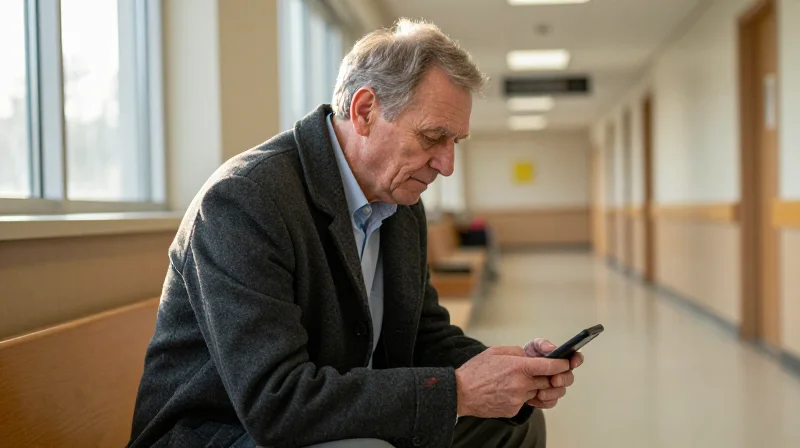
Ghosting is the most common painful experience people describe in this demographic, and it deserves more than a line. Being ghosted at 65 after promising conversations activates something deeper than ordinary rejection — a question about still someone who people want to move toward. That’s a specific, quiet kind of awful that the “just stay positive” advice doesn’t touch.
The pattern people describe most: great phone calls, eagerness expressed on both sides, plans discussed — then silence. No explanation. The person just stops responding.
At 28 this is annoying. At 65, after rebuilding yourself enough to try again, it lands differently.
That said, there’s a useful distinction between what happens before a relationship starts and what happens once you’re in one. When someone shows you who they are in those first few weeks, believe them. The red flags worth trusting, drawn from what people in this demographic actually experience:
- Love-bombing (same playbook as scammers, but from real people — rushing intimacy, intensity disproportionate to how long you’ve known each other)
- Financial conversations that feel off — probing questions about your assets, hints about instability, or requests for “help” early on
- Consistent dishonesty about small things — someone who lies about their age in their profile will lie about other things
- Dismissiveness about your time — chronic lateness, canceled plans, low follow-through
Yellow flags — things worth noticing but not necessarily exiting over — include:
- Set-in-their-ways habits are worth noting, but they may soften over time.
- Emotional unavailability sometimes has more to do with someone’s own grieving than with their level of interest in you.
Some of those resolve. The ones above usually don’t. Our guide to red flags goes deeper on how to distinguish them.
Before You Date Anyone Else: What to Sort Out First
The most useful pattern across senior dating isn’t about which app to use — it’s about internal preparation. “Build yourself a busy, fulfilling life you love — then try” captures something real: people who enter dating from a place of completeness have a measurably different experience than people entering from a place of emptiness.
Three questions worth sitting with honestly before you open an app:
- Am I looking for someone to replace what I lost, or to build something genuinely new?
- Can I talk about my past without being consumed by it — or does it take over most conversations?
- Do I have support, friendships, and a life I actually enjoy outside of a potential relationship?
The third one matters most. If dating from a full life, a connection becomes an addition. If dating from loneliness, a connection becomes a lifeline — which puts enormous pressure on early-stage relationships that aren’t built to carry it yet.
There’s a practical test worth applying. After a promising first date, how long before you stop checking your phone for a message? If a ghosting event derails your entire week, or if your mood swings sharply based on whether someone texts back, that’s not a character flaw — it’s diagnostic information. It tells you something about dating from a place of fullness or from need.
Neither is permanent, but knowing which is true shapes how you should approach the search. Dating from fullness means disappointments are bumps. Dating from need means they’re crises.
This isn’t a platitude about “loving yourself first.” It’s a structural observation. The people who find good relationships at this age almost universally describe having something solid to return to when dating disappoints them — which it will, periodically, for everyone. The life you build for yourself isn’t a consolation prize; it’s what makes dating survivable.
Frequently asked questions
What are the odds of finding love in your 60s?
Real, but structurally harder than at younger ages. The pool is smaller, there are significantly more single women than men in this demographic, and roughly 24% of older singles are primarily seeking casual arrangements rather than committed relationships. Those who do find meaningful partnerships typically took longer than expected — and stopped measuring the process against their experience of dating at 30.
What is the 3-3-3 rule in dating?
The 3-3-3 rule suggests spending three dates truly getting to know someone before forming strong judgments, three months before defining the relationship, and three years before making major life commitments. For 60+ daters who sometimes feel pressure to move faster because of age, this is a useful pacing framework — it gives connection time to develop at a speed that reflects reality rather than anxiety.
What is the 6-6-6 rule in dating?
The 6-6-6 rule is an informal social media checklist — would you date someone who is 6 feet tall, earns $60K+, and is conventionally attractive? It circulates mostly as a way to critique shallow filtering behavior. For 60+ daters, it’s worth knowing because it reflects the kind of surface-level screening that saturates apps and explains why many people with real substance feel invisible on general-audience platforms.
What is dating after 60 really like?
More emotionally complex than articles suggest. The pool is smaller, ghosting is frequent, scammers are a genuine threat on apps, and re-entering dating after decades in a marriage involves identity disorientation that most guides don’t acknowledge. At the same time, people in this stage often describe greater self-knowledge, much lower tolerance for drama, and clarity about what actually matters in a relationship — which makes a real connection, when it happens, feel more grounded than anything earlier in life.
How do you know if someone over 60 is a scammer?
The consistent patterns: love-bombing in early messages, urgency to move the conversation off the dating platform to WhatsApp or email, a military or offshore professional backstory that explains why they can never meet in person, any request for money in any form (gift cards, wire transfer, “emergency”), and persistent refusal to video call. If multiple of these appear together, you’re not looking at a real person.