Why is dating so hard when there are more ways to meet people than ever? Nearly half of Americans say it feels harder now than ten years ago, and they’re right. What’s changed isn’t people’s capacity for connection — it’s the system they’re trying to connect inside of: apps built to keep you single, online media that monetizes gender resentment, and a social scene where organic meeting has quietly collapsed. You are a sane person inside a system designed to prevent connection.
TL;DR
- Dating apps are built to maximize your time on the app, not to find you a partner. Understanding this changes how you use them.
- The biggest obstacle most people don’t name: online content has industrialized distrust between men and women before anyone even meets.
- The psychological baggage is real, but it’s one layer of a three-layer problem. Fixing only the internal layer while ignoring the structural one is why good advice keeps not working.
Why Dating Is So Hard: The App Problem Runs Deeper
Most people frame dating apps as frustrating because of superficiality or too many choices. That framing is incomplete. The real problem is that apps are subscription and engagement businesses, and their revenue model depends on you not finding a partner.
Think about what that means structurally. If you leave the app in a relationship, the company loses two paying customers and two profiles’ worth of match density. Keeping you engaged, mildly hopeful, and perpetually swiping is the outcome they’re optimizing for.
The infinite scroll, the variable reward of a new match, the catalog-style browsing — these aren’t design flaws. They’re the product working exactly as intended.
This is the paradox of choice in action: more options produce less satisfaction and less commitment, not more. The apps are designed to keep the alternatives feeling infinitely available, which is precisely what stops you from investing in whoever is actually in front of you.
The result is what leads to dating app burnout: a cumulative exhaustion that sets in after months of investing effort into conversations that go nowhere, matches that disappear, and first dates that feel like auditions. Roughly 5 to 10 percent of profiles receive the overwhelming majority of swipes and attention on any given platform. Most people are interacting with a system that statistically was never designed for them to succeed, and when it doesn’t work, they blame themselves.
Adult Social Infrastructure Has Quietly Collapsed
Even people who delete their apps run into a second structural problem: there’s almost nowhere else to go. The organic spaces where connection once happened have largely contracted: community organizations, neighborhood life, friend-of-a-friend introductions, local clubs. Moving to a new city for work now means genuinely having three options: cold-approach strangers, use dating apps, or hope something develops with a coworker.
Think about what organic meeting actually looked like before this collapsed. The same bar every Thursday where you recognized faces from the week before. A coworker who said “I have someone you should meet” and meant it, because they knew both of you well enough to vouch. A neighborhood where proximity and repetition did the slow work that apps now fail to do in one swipe.
Those structures built familiarity gradually. That’s exactly how trust actually forms: through repeated low-stakes contact over time.
What’s specifically gone from the social scene:
- Recurring community spaces with consistent faces week after week are mostly gone, meaning familiarity no longer accumulates without effort.
- Friend networks have thinned enough that introductions rarely come with the genuine personal vouching of someone who knew both people well.
- Third-place culture that created repeated contact without any pressure of a formal date has largely contracted.
Our guide on how to meet people without apps covers what’s still workable. But the honest starting point is acknowledging that the list is shorter than it used to be, and that’s a real external constraint, not a personal failure of imagination.
The Trust Problem No One Wants to Name
Here’s the layer that almost no one discusses: online content is actively running a war between men and women, and people arrive at dates pre-loaded with the damage.
Algorithm-driven platforms monetize gender grievance. Men’s content ecosystems reward stories of female hypocrisy and manipulation. Women’s content ecosystems reward cataloguing male red flags and bad behavior.
Both contain enough real examples to feel legitimate. Both are curated for maximum outrage rather than representative truth. And both are consumed daily by people who are then expected to sit across from a stranger and extend basic good faith.
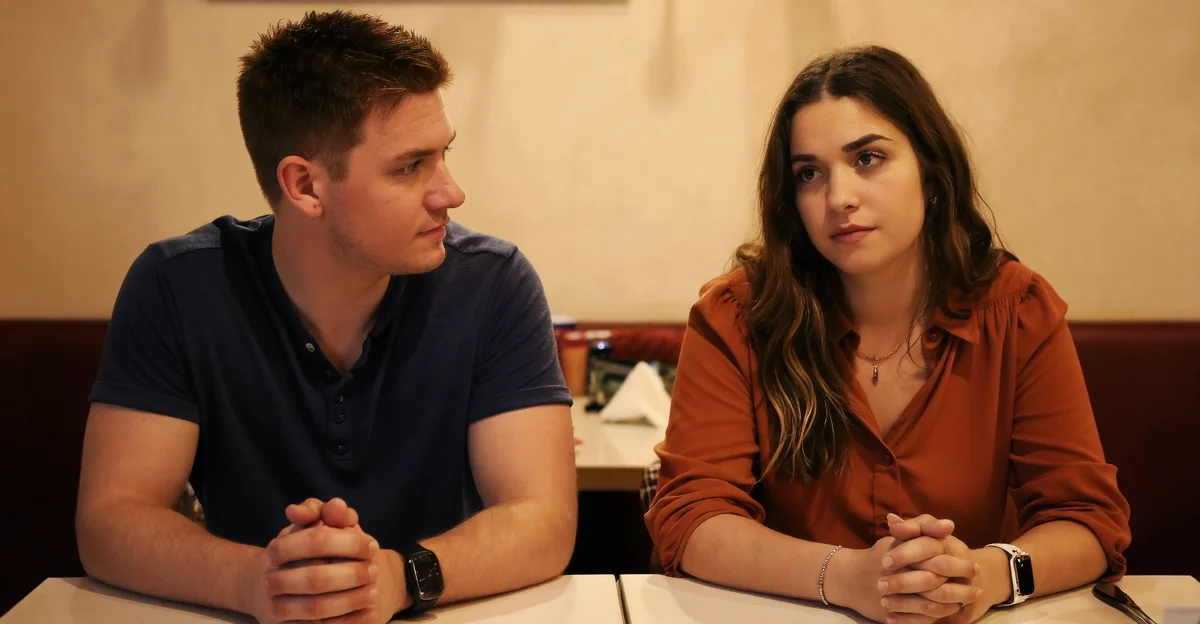
I’ve watched this play out in a recognizable pattern. She’s two minutes late and he’s already reading it as disrespect, something he absorbed from months of content about women who don’t value men’s time. He checks his phone during a lull and she reads it as checked-out, the exact behavior she’s been told to treat as a red flag.
Neither of them is reacting to the actual person in front of them. They’re each reacting to a character from the content pipeline.
The baseline trust people bring to a first date has dropped, and the platforms driving that erosion have no incentive to stop.
There’s a second, more immediate trust deficit layered underneath the radicalization problem. For many women, a first date involves a real threat assessment: Is this person who they claim to be? Is this location safe? What happens if my read was wrong?
The fear of catfishing, of meeting someone whose profile is fiction, is not abstract — and dating apps do almost nothing structurally to address it. No identity verification, no safety screening, no accountability mechanism. The platforms that profit from your presence have no incentive to fix what keeps you cautious.
The Psychological Layer Is Real, But It’s One Layer
The internal layer deserves honest attention too, because it compounds everything else.
Romantic rejection activates the same neural pathways as early experiences of abandonment. This isn’t metaphorical. It’s why a no-show on a date feels nothing like a no-show in a work meeting, even though both are minor inconveniences on paper. The emotional charge is disproportionate because it taps into something older and deeper than the situation in front of you.
This shapes who you’re drawn to and what you interpret as chemistry. An avoidant attachment style can make you want connection while structurally pushing it away. Anxious attachment does the opposite: it confuses volatility for passion, reads anxiety as excitement, and mistakes the stress of an unpredictable person for romantic intensity. Dysfunction that feels like chemistry is one of the harder patterns to unlearn.
The internal work is real and it matters. But doing that work while swimming daily in an environment designed to trigger your attachment wounds — apps that manufacture rejection as a feature, ghosting culture that keeps you perpetually off-balance, gender-resentment content that pre-activates defensiveness — is like going to therapy while continuing to drink. Both layers require attention simultaneously.
Social media compounds the psychological layer. Most people don’t post about last night’s argument or the relationship that’s barely holding together; they post the high points. One in three single people report feeling worse about themselves after seeing other people’s relationship posts.
The comparison isn’t between your reality and theirs; it’s between your reality and the version they chose to show. Ordinary connection starts to look like failure when your baseline is a curated highlight reel.
Why Common Dating Advice Keeps Failing You
The modern dating advice you’ve probably already read tends to say some version of: be authentic, know what you want, have fun with it. None of that is wrong. All of it is context-stripped, which makes it useless.
Here’s what that looks like in practice:
- “Be authentic” is correct advice in an environment that rewards authenticity. Early swipe-based dating structurally penalizes it. Showing real vulnerability before trust exists gets you ghosted in a culture that rewards cool detachment.
- “Just have fun” lands as insulting when you’ve been genuinely trying for a year. It mistakes attitude adjustment for structural problem-solving.
- “Be vulnerable” is right in theory and nearly impossible in practice without acknowledging the environment in which it’s supposed to happen.
Nobody wants to put in effort when they’ve been trained to believe someone better is one swipe away. That’s a rational response to an environment that presents infinite alternatives, not a character flaw. Modern dating culture rewards detachment: playing it cool, not caring too much, always having a backup option. Genuine connection doesn’t thrive in that environment, and the advice never says so.
What Actually Moves the Needle
On the structural layer, the most useful shift is treating apps as logistics tools rather than connection tools. This is the core of dating with intention: use the app to get to a real conversation fast, then get off it. Set a personal rule: move to a phone call or an in-person meeting within a week of matching, or let the conversation go. This sounds arbitrary until you notice how much emotional energy goes into maintaining app relationships that were never going to become anything real.
The 3-3-3 rule is worth applying here: meet someone at least three times, within the first three weeks, for at least three hours each date. It counters the first-hour-audition problem. Attraction builds gradually more often than it arrives fully formed, and three real dates give it the room to actually develop.
On the cultural layer, what you consume about gender shapes what you expect from a date. If your For You page is a highlight reel of bad dates and manipulative partners, that’s what you’ll be primed to find. The content isn’t describing reality; it’s selecting for the worst of it. Reducing exposure to content that packages dating as a competition or a grievance isn’t wishful thinking. It changes what you’re primed to perceive before you’ve even ordered drinks.
On the psychological layer, the most underrated tool is keeping a dating log: brief notes after each date about what you felt, what you noticed, what surprised you. Not as a therapy exercise, but as data. Most people’s emotional distortion mid-process means they can’t accurately remember what they were feeling three dates ago. The log creates a more accurate baseline and helps you notice patterns in yourself that are easy to miss in the moment.
The practice is simple: after each date, write a few sentences about your own reactions — what felt genuine, what felt performed, what you’re telling yourself about the person. Read back through after a few dates with the same person. Patterns emerge that are invisible in the moment, and what you’re consistently avoiding tells you more than what you think you want.
Most people aren’t trying to hurt anyone. They’re trying not to get hurt first. When you understand why dating is so hard now, and why the current environment makes that defensive posture feel rational, you stop taking the detachment personally and start seeing the actual person underneath it.
The internal work matters, but doing it without understanding the structural forces working against you is like blaming your swimming technique for a riptide. Name the system first. Then work on your stroke.
Frequently asked questions
Why is dating nowadays so difficult?
Dating is harder now because three forces collide at once: apps are designed to maximize engagement rather than create relationships, adult social infrastructure where organic connection happened has largely collapsed, and online media actively erodes the baseline trust between men and women before anyone even meets. These aren’t personal failures; they’re structural conditions. Understanding the system you’re operating inside is the first step to navigating it without burning out.
What is the 3-3-3 rule for dating?
The 3-3-3 rule means meeting a new match at least three times, within the first three weeks, for at least three hours each date. It pushes past surface-level chemistry and gives attraction enough time and exposure to actually develop, since chemistry often builds gradually rather than arriving as instant fireworks. It’s a useful commitment device specifically because it counters the app-era tendency to write someone off after one awkward first hour.
What is the #1 relationship killer?
Psychologist John Gottman’s work identifies contempt (mockery, eye-rolling, treating a partner as beneath you) as the single strongest predictor of relationship failure. Unlike anger, which implies you still care enough to fight, contempt signals fundamental disrespect and erodes the emotional foundation a relationship depends on to survive. Gottman found contempt more predictive of breakdown than conflict frequency, communication style, or sexual satisfaction combined.
What is the 6 6 6 rule dating?
The 6-6-6 rule is an internet meme, not a real dating principle, claiming women only want men who are 6 feet tall, earn 6 figures, and meet a third physical standard. It’s a product of dating-app frustration culture and reflects algorithm-driven grievance content more than actual partner preferences. Long-term partner data consistently puts compatibility, shared values, and emotional safety well above physical metrics for the majority of people.