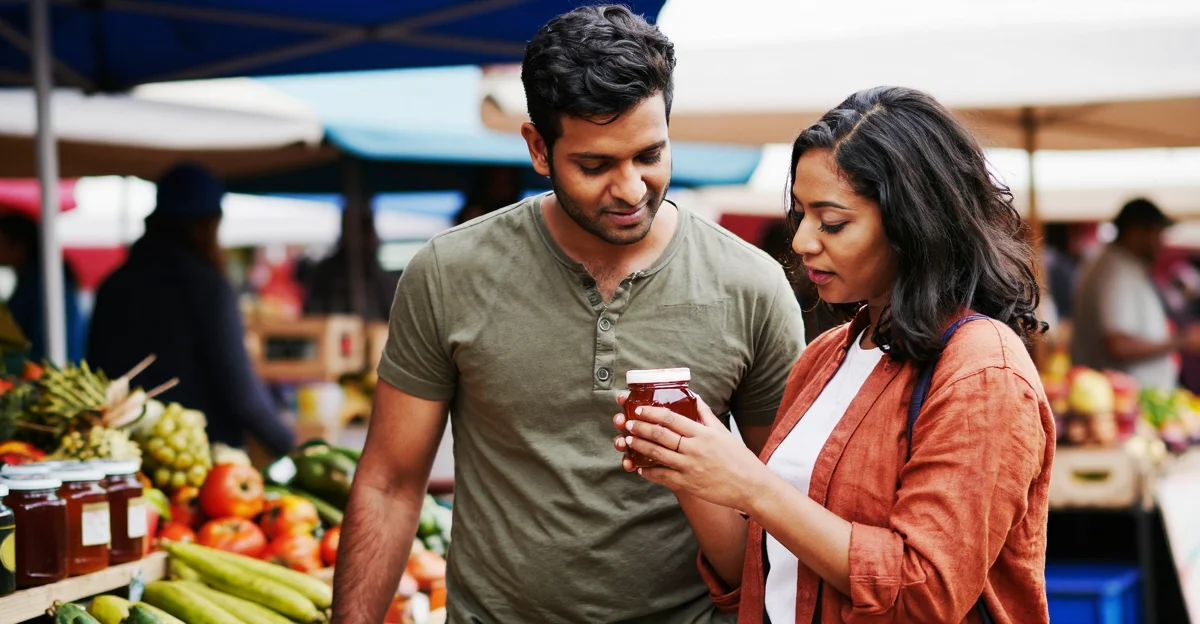
The best second date ideas don’t come from a ranked list of activities — they come from the conversation you already had. If you paid attention on date one, you have everything you need to plan something that feels personal rather than generic.
Most people treat finding second date ideas as a blank-slate problem. They scroll through a list, pick something that sounds fun, and show up. The person across from them can usually feel it: this could have been planned for anyone. Use what you already know about this specific person instead.
TL;DR
- Don’t pick an activity at random. Use what you learned on the first date (their neighborhood, hobby, or food obsession) to build the second date around them specifically.
- Activity-based dates consistently outperform dinner-only dates: they reduce pressure, generate conversation, and show you something real about the other person.
- The second date has one job: deepen what started on date one. Plan for 1.5–3 hours with a natural extension point if the chemistry is there.
Start Here: Use Your First Date as a Planning Guide
You already did the hard part — you had a first date that went well enough for both of you to want a second. Now use it.
Go back through your memory of the conversation. What did they light up about? What neighborhood did they mention? What food had they been meaning to try but never gotten around to? What hobby took up five minutes of conversation that felt like two? Those aren’t just talking points. They’re your planning material.
The core principle: plan the second date while you’re still on the first one. If they mention they’ve never been to the Saturday market two neighborhoods over, that’s not just a fun fact. It’s a second date suggestion sitting right there. Float it before you leave. “We should go sometime” costs you nothing and preserves the momentum you’d otherwise spend a week trying to rebuild over text. By the time you leave the first date, you can have the second one half-planned.
If the signs the first date went well are clearly there, raise the idea before you part ways. The more specific you make it — an actual place tied to something they actually said — the more it signals you were paying attention. That matters more than the activity choice itself.
A few things worth extracting from any first date:
- One specific place they mentioned — a neighborhood they love, a market they keep meaning to visit, a restaurant they’ve never tried
- An interest they talked about with genuine enthusiasm — not just “I like cooking” but the specific thing they’re currently fixated on
- Something they said they’d never done but wanted to, this is the easiest second date suggestion you’ll ever find
- Anything that made both of you forget what you were talking about before
In my experience, the dates people actually remember aren’t the ones with impressive venues. They’re the ones where the other person clearly remembered something specific and built the date around it. That’s the move.
Dinner again is fine. It’s also forgettable. Two people at a table facing each other with no shared task between them is higher-pressure than most people realize until they’re doing it. An activity gives you both something to react to, a natural rhythm that conversation alone doesn’t always find.
Playful and Active Second Date Ideas (When They Like to Move)
If the first date conversation mentioned sports, games, any variation of “I’m weirdly competitive about everything,” or an activity they’d been meaning to try, this tier was already chosen for you.
Bowling, mini golf, arcade bars, escape rooms, axe throwing, a driving range, go-karts. These work for second dates for a clear reason: the activity absorbs the pressure of sustained eye contact and uninterrupted conversation. You’re doing something. The talking happens around the doing, which is exactly what most people need when early-date nerves are still present.
A light wager turns competition into something closer to flirting. Loser buys coffee after. Winner picks the next activity. You drop it as a joke in the second frame; they accept immediately; now you’re both invested in a game that wasn’t about winning two minutes ago.
You also find out a lot about someone by how they handle losing, whether they laugh it off, trash-talk back, or get unexpectedly quiet about something that was never serious.
One specific design move: schedule the date at a venue about an hour before it closes. This creates a natural endpoint without anyone manufacturing an awkward exit. If the energy is good when the venue wraps up, you extend with a walk or coffee. If it isn’t, you both have a graceful out. Either outcome feels natural.
A word on movies: they come up constantly on lists like this, but a cinema is a third or fourth date option at earliest. You’re sitting in the dark not talking for two hours. That works once chemistry is established. On a second date, it tends to kill momentum rather than build it.
A few things to avoid: venues so loud you can barely finish a sentence (some arcade bars cross this threshold) and activities that tip from playful into performance anxiety. If cost is a consideration, most options here sit within what you’d find in our list of affordable date ideas.
Conversation-Forward Ideas (When You Know They’re Curious)
If the first date went somewhere specific, a book they mentioned twice, a documentary that shifted how they see something, an exhibit they kept circling back to, the activity-and-competition category probably isn’t right. This one is.
An art gallery, a bookstore, a farmers market, a flea market, live music at a small venue, a comedy show. Wandering together produces a different kind of conversation than sitting across a table. When you’re both facing something side by side rather than each other, there’s no obligation to hold the conversational thread. You react to things in real time. What they stop to look at, what they explain without being asked, what they skip past quickly, it all tells you something true.
Try this at a bookstore: each person picks one book for the other and explains why. It takes ten minutes and reveals more than most two-hour dinners. At a gallery, each defend your favorite piece. It sounds like a game until you’re doing it, at which point it becomes a real conversation about how both of you see the world.
Farmers markets are underrated here. Free to browse, full of things to react to, easy to extend with food from a vendor or coffee nearby. There’s no table forcing you to face each other and no clock on the conversation.
The appetizer crawl is worth knowing as a variation: pick two or three spots in a neighborhood you both want to explore and share a small plate at each. It solves the “which restaurant do we pick” problem by making the choice the activity itself. You’re moving through something together, and the conversation moves with you.
Dessert dates belong in this category too. Grab something you both want, ice cream, good pastries, churros, and walk. It sounds too simple to count as a real second date, but it removes almost every source of pressure: no table to sit at awkwardly, no check to split, no obligation to fill ninety minutes with words. The format is underrated, and it works as a standalone or as an easy extension of almost anything else here.
Creative and Hands-On Ideas (When They Like to Make Things)
This tier is the most conditional of the three. It earns its place when the first date conversation surfaced cooking, art, food, or craft as something they genuinely care about, not a polite mention, but a real thing they talked about with visible investment. If that didn’t come up, one of the other categories will serve you better.
Cooking together, a pottery or painting class, a blind wine or beer tasting, a charcuterie board competition. For the board competition, give it a theme: one person goes sharp and aged, the other goes soft and sweet, and whoever builds the better board wins something of the loser’s choosing. It takes twenty minutes to assemble and another hour to eat and argue about. That’s a good date.
There’s a reason people who build something together often feel closer afterward than people who sat across from each other: collaborative creation asks something of both of you that observation doesn’t. You’re making decisions, adjusting to each other in real time, occasionally handing something across the counter. The shared outcome (even a slightly burnt carbonara) gives you both something to remember.
Cooking at home works better with structure than without. Pick a theme (Italian night, homemade ramen, desserts only) and divide the tasks so both people are actively doing something. The goal is collaboration, not one person cooking while the other watches from the counter and starts to feel useless.
A cooking class handles structure automatically. There’s an instructor, a clear endpoint, and the public setting reads differently than your kitchen does. Your kitchen carries more intimacy, there’s nothing wrong with that, but it’s worth deciding which signal you want to send on a second date versus a third.
What to Keep in Mind (Pacing, Alcohol, and the Kiss Question)
Structure the date to last 1.5–3 hours with a natural pause point. The approach that works: 40–60 minutes of the main activity, then 20–30 minutes somewhere to sit and talk. At that point you’ll have a clear read on whether to extend.
If you do, extend. If you don’t, the date ends naturally rather than through a manufactured exit.
Design the endpoint so the extension feels spontaneous. If you’re at a farmers market, pick one near a good coffee spot you can walk to after. If you’re bowling, know there’s a park two blocks over. The “want to keep going?” moment lands better when the next thing is obviously right there, it feels like the natural next thing, not a move.
What does “going well” actually look like by the end of a second date? The conversation moved past surface-level topics into something real. You both ran past the planned time without noticing. One of you referenced something the other said on the first date. The goodbye took longer than it needed to. Any of those, you’re in good shape.
If alcohol isn’t in the picture for either of you, most of the options in this article don’t require it at all. If you want a bar atmosphere without drinking, ordering a non-alcoholic drink at a nice bar works fine. You’re there for the setting and the conversation. Dessert dates, bookstores, farmers markets, pottery classes, cooking at home: none of these carry an alcohol assumption, and none of them feel like you’re conspicuously avoiding it.
On the kiss question: most people overthink this moment more than any other part of the second date. The second date is when most people feel comfortable enough for a first kiss, but there’s no rule. If you want to kiss someone, saying so directly is almost always the right move. “Can I kiss you?” or “I really want to kiss you right now”, either works, and most people respond better to directness than to prolonged signal-reading. A kiss that doesn’t happen on the second date isn’t a problem. Sometimes the anticipation carries real value into a third date.
For timing between dates, our piece on average time between first and second date covers what typically works for maintaining momentum without the pressure of moving too fast.
Frequently asked questions
What should happen on a 2nd date?
A second date should move past first-date formalities toward something genuinely revealing. Choose an activity that allows real conversation, not side-by-side silence, and aim to learn something true about each other that didn’t surface on date one. By the end of date two, you should have a clear enough read to know whether you want a third, if you’re leaving uncertain, the date didn’t fully do its job.
What is the 3 3 3 rule for dating?
The 3-3-3 rule suggests going on at least three dates before making serious judgments about compatibility, because most people need roughly three meetings to let their first-impression nerves settle and show who they actually are. Some versions extend it to three months before discussing exclusivity. The rule exists because early-date nerves genuinely distort how both people present themselves, three dates gives you a more accurate read than two.
Should I expect a kiss on the 2nd date?
There’s no rule, but the second date is when most people feel comfortable enough for a first kiss. If you want to kiss someone, asking directly, “Can I kiss you?” or “I really want to kiss you right now”, works better than extended signal-reading and almost always lands well. A first kiss that doesn’t happen on the second date isn’t a problem; sometimes the anticipation makes a third date better.
What are the best second date tips?
Keep the energy a notch above the first date without overcommitting: pick something active enough to reduce awkward silences, personal enough to show you were listening, and short enough to leave them wanting more. A 1.5–3 hour activity with a natural extension point is the structure that works consistently. The single most effective move is referencing something specific from the first date when you pitch the plan, it signals attention, which lands better than any venue choice.
How can I make a second date special?
Reference something specific from the first date. If they mentioned a neighborhood they love, a food they’ve never tried, or a hobby they got visibly excited talking about, build the second date around that. The callback, showing you actually remembered, is more impressive than an expensive venue or an elaborate plan. If you’re thinking about how this fits into a longer arc, our piece on how many dates before exclusive covers what most people are actually looking for at each stage.